

Main features and applications
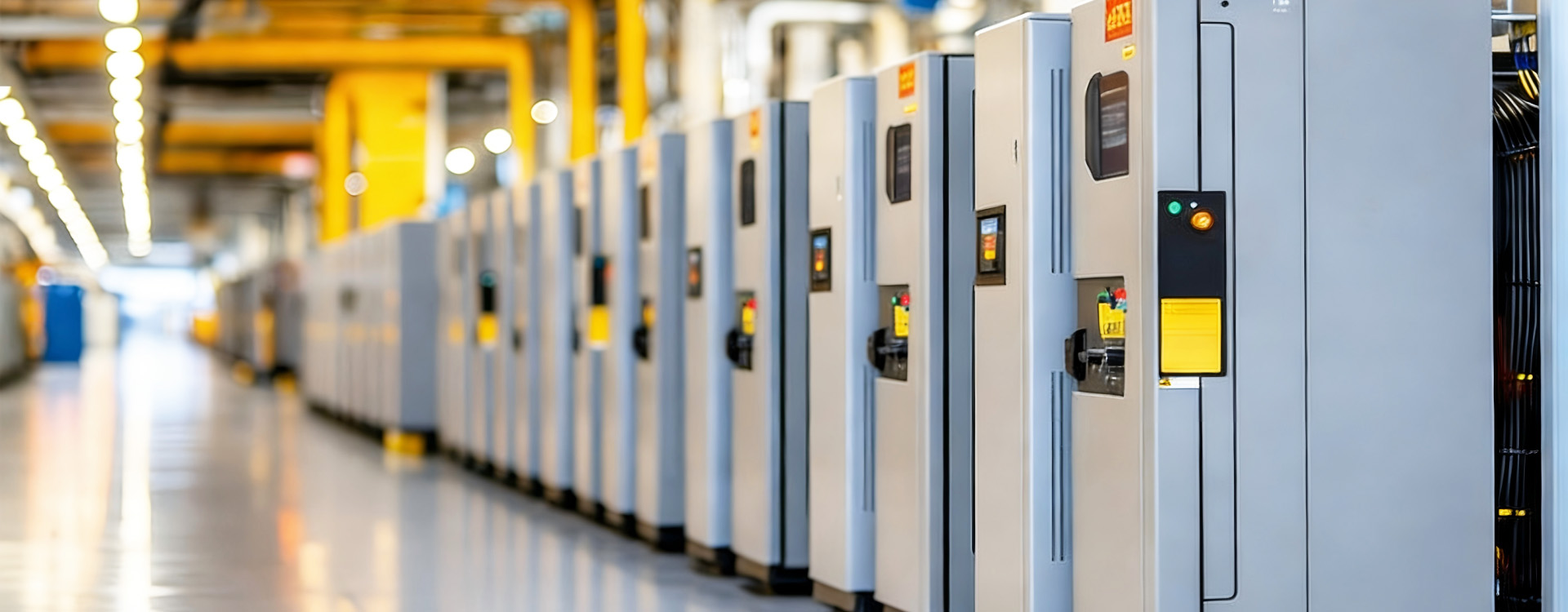
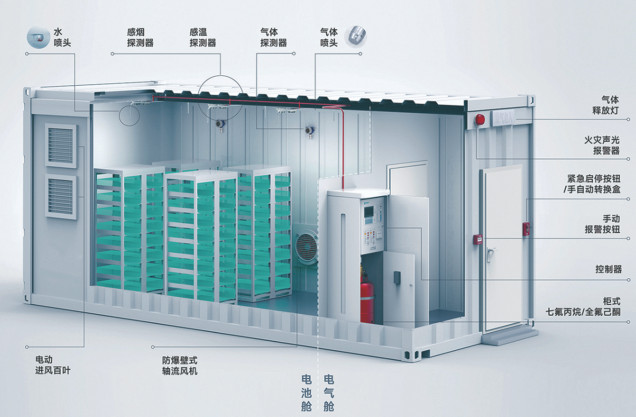
The system generally consists of energy storage battery system, monitoring system, battery management unit, dedicated fire protection system, dedicated air conditioning, energy storage inverter, and isolation transformer. The energy storage container uses standard containers, and the maximum storage capacity of a single container can reach 6.6MWh. The battery can be matched with lithium iron phosphate batteries, lithium batteries, lead-acid batteries, and other batteries. Container energy storage systems have the characteristics of reducing infrastructure construction costs, short construction cycles, high modularity, and ease of transportation and installation. They can be applied to power plants such as thermal, wind, and solar power stations, or to islands, communities, schools, research institutions, factories, large load centers, and other applications.
Container energy storage technology can be applied in multiple fields, including but not limited to:
1. In the field of electricity, it is used for peak shaving, frequency regulation, backup power supply and other aspects of the power system to improve the stability and reliability of the power system.
2. In the field of communication, it serves as a backup power source for communication base stations and emergency communication to ensure the normal operation of communication systems.
3. In the field of transportation, it is applied to charging stations for electric vehicles and backup power sources for buses to improve the operational efficiency of the transportation system.
4. In the field of new energy, it is applied in photovoltaic power generation, wind power generation and other fields to achieve various applications such as improving renewable energy generation, peak shaving and frequency regulation, and demand side responsive AC/DC microgrids.
The development trends of container energy storage systems include:
1. Scale increase: With technological advancements, energy storage capacity will continue to increase.
2. Cost reduction: Improvements in production technology and economies of scale will lead to cost reductions.
3. High energy density: Pursuing higher energy density to improve energy storage efficiency.
4. Intelligence: Utilizing advanced control and monitoring technology to achieve intelligent management。
5. Integration with renewable energy: Better integration with renewable energy sources such as solar and wind power.
6. Long lifespan: Extending the service life of the system through material and technological innovation.
 Mobile QR code